


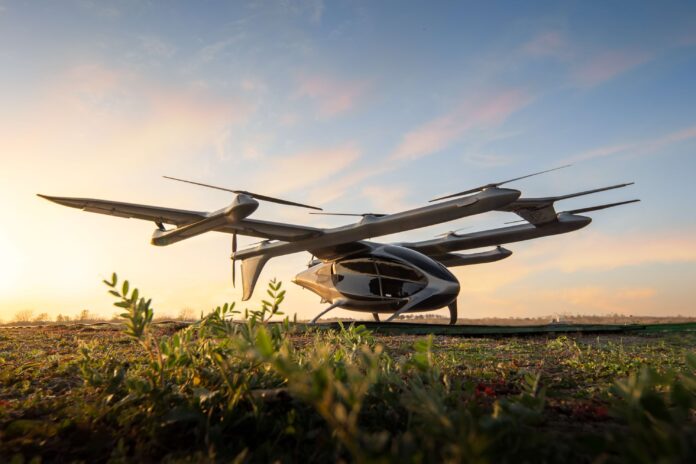
Londra – Mentre in Italia si continua a discutere di burocrazia, conferenze infinite, timbri, autorizzazioni e infrastrutture ferme agli anni ’90 📄⏳, il Kazakistan accelera verso il futuro della mobilità aerea urbana.
Sì, avete letto bene. Non Silicon Valley. Non Dubai. Ma: Kazakistan. 🚀
La società cinese AutoFlight ha completato il primo volo dimostrativo del proprio eVTOL – velivolo elettrico a decollo e atterraggio verticale – nella nuova Alatau City, vicino ad Almaty. Non si tratta soltanto di un semplice test tecnologico: insieme al volo è stato annunciato un accordo per 50 velivoli delle serie V2000 e V5000, oltre alla costruzione del primo vertiporto del Paese.
Ecco il video
Secondo quanto riportato dalle autorità kazake e da diversi media internazionali, il progetto comprende anche trasferimento tecnologico, formazione di personale locale, sviluppo normativo e creazione di un centro regionale di manutenzione e assistenza tecnica. Il Kazakistan, in pratica, non vuole limitarsi a comprare tecnologia straniera: vuole diventare parte della nuova industria globale della mobilità aerea urbana. (gov.kz)
Ed è qui che emerge il confronto più brutale con il sistema Italia 🇮🇹💀.
Nel nostro Paese si parla da anni di innovazione, smart city, transizione ecologica e mobilità sostenibile. Ma quando si passa dagli slogan ai fatti, tutto si blocca. L’Italia continua a perdere terreno nei confronti di Paesi che fino a pochi anni fa venivano considerati periferici rispetto alle grandi economie occidentali.
Il dato più clamoroso non è il volo dell’eVTOL in sé. La vera notizia è la velocità con cui il Kazakistan sta costruendo un ecosistema completo: norme dedicate, investimenti privati, infrastrutture, partnership industriali e visione strategica.
In Italia, invece, ogni progetto innovativo sembra entrare in una escape room burocratica senza uscita 🧱😵💫 fatta di:
- autorizzazioni interminabili;
- conflitti tra enti;
- lentezza politica;
- assenza di una strategia industriale nazionale;
- ostilità culturale verso il rischio e l’innovazione.
Il risultato? L’Italia rischia di diventare soltanto un abbonato premium alle tecnologie sviluppate dagli altri 💸.
Nel frattempo, Cina, Emirati Arabi, Corea del Sud e ora anche il Kazakistan stanno investendo miliardi nella cosiddetta “low-altitude economy”, la nuova economia della mobilità aerea urbana basata su droni, taxi volanti e reti di vertiporti.
AutoFlight aveva già attirato l’attenzione internazionale nel 2024 con il primo volo interurbano eVTOL tra Shenzhen e Zhuhai, completando autonomamente una tratta di 50 chilometri in appena 20 minuti. (dronedj.com).
Oggi quella sperimentazione si sta trasformando in business reale.
E l’Italia? L’Italia scrolla. L’Italia commenta. L’Italia apre tavoli. Ma non vola. ✈️❌
Osserva mentre altri costruiscono il futuro.
Osserva mentre altri creano posti di lavoro ad alta tecnologia.
Osserva mentre altri attraggono investimenti internazionali.
Nel nostro Paese si organizzano ancora tavoli ministeriali, convegni e studi preliminari, mentre altrove si vola già.
Il problema non è soltanto tecnologico. È mentale. È culturale.
È un Paese che spesso premia chi rallenta invece di chi prova a costruire qualcosa di nuovo 🧠⚠️.
L’Italia sembra incapace di accettare la velocità del cambiamento globale. Ogni innovazione viene percepita come un rischio da rallentare anziché un’opportunità da guidare.
Il paradosso è evidente: una nazione che possiede eccellenze aerospaziali, università di alto livello e una lunga tradizione industriale sta progressivamente perdendo centralità perché soffocata da immobilismo politico e burocratico.
Il caso AutoFlight-Kazakistan dimostra che il futuro non aspetta l’Europa e soprattutto non aspetta l’Italia.
Chi decide rapidamente oggi guiderà i mercati di domani.
Chi resta fermo sarà costretto a comprare il futuro dagli altri.
Gli altri resteranno semplicemente clienti.
⚡ Un messaggio alla Generazione Italiana Z e Alpha
Se avete 15, 20 o 25 anni, questa storia riguarda direttamente voi.
Perché il rischio reale non è che l’Italia “rimanga indietro”.
Il rischio è che il vostro futuro venga costruito altrove.
Le industrie che cambieranno il mondo – AI, droni, eVTOL, robotica, spazio, energia, biotech – stanno nascendo in ecosistemi che premiano velocità, sperimentazione e coraggio.
E mentre altrove si testa, si investe e si vola 🚁🌍, in Italia troppo spesso si aspetta ancora il prossimo permesso.
La vostra generazione dovrà decidere una cosa fondamentale:
👉 restare spettatori oppure 👉 diventare costruttori del futuro.
Perché il futuro non appartiene ai più anziani.
Appartiene a chi ha il coraggio di immaginarlo prima degli altri.
E soprattutto di costruirlo. 🔥
Riccardo Cacelli
r.cacelli@uam-vertiports.com
—-
🇬🇧 English Version
🚁 AutoFlight Takes Off in Kazakhstan While Italy Stands Still 🌍 The Future Is Taking Off Elsewhere
First eVTOL Flight, 50 Orders and a Vertiport: the Future of Urban Air Mobility Is Being Built Elsewhere
While Italy keeps debating bureaucracy, paperwork and outdated infrastructure 📄⏳, Kazakhstan is rapidly moving toward the future of urban air mobility.
Yes, seriously. Not Silicon Valley. Not Dubai. But: Kazakhstan. 🚀
Chinese company AutoFlight has completed the first demonstration flight of its eVTOL aircraft – an electric vertical take-off and landing vehicle – in Alatau City near Almaty. This is not just another technology showcase: together with the flight demonstration, the company announced an agreement for 50 V2000 and V5000 aircraft, along with the construction of the country’s first vertiport.
According to Kazakh authorities and international media reports, the project also includes technology transfer, local workforce training, regulatory development and the creation of a regional maintenance and repair center. In other words, Kazakhstan does not simply want to buy foreign technology – it wants to become part of the global urban air mobility industry. (gov.kz).
This is where the comparison with Italy becomes uncomfortable.
For years, Italy has spoken about innovation, smart cities, green transition and sustainable mobility. But when it comes to turning words into action, everything slows down.
The most important part of this story is not the eVTOL flight itself. The real news is the speed at which Kazakhstan is building an entire ecosystem: dedicated regulations, private investments, infrastructure, industrial partnerships and a long-term strategic vision.
Meanwhile, Italy still seems trapped inside a bureaucratic escape room 🧱😵💫 filled with:
- endless authorization procedures;
- institutional conflicts;
- political inertia;
- lack of a national industrial strategy;
- cultural resistance toward risk and innovation.
The result? Italy risks becoming nothing more than a premium subscriber to technologies created somewhere else 💸.
At the same time, China, the UAE, South Korea and now Kazakhstan are investing billions into the so-called “low-altitude economy” based on drones, flying taxis and vertiport networks.
AutoFlight had already gained global attention in 2024 after completing the world’s first inter-city eVTOL demonstration flight between Shenzhen and Zhuhai, autonomously covering 50 kilometers in just 20 minutes. (dronedj.com)
Today, those experiments are becoming real business opportunities.
And Italy? Italy watches. Italy debates. Italy opens committees. But it does not fly ✈️❌.
It watches while others build the future. It watches while others create high-tech jobs. It watches while others attract international investment.
In Italy, institutions still organize conferences, committees and preliminary studies while elsewhere the future is already airborne.
The problem is not only technological. It’s mental. It’s cultural.
Too often, the system rewards those who slow things down instead of those trying to build the future 🧠⚠️. It’s cultural.
Italy increasingly appears unable to adapt to the speed of global transformation. Every innovation is treated as a threat to slow down instead of an opportunity to lead.
The paradox is striking: a country with aerospace excellence, top universities and an important industrial tradition is gradually losing relevance because of political and bureaucratic paralysis.
The AutoFlight-Kazakhstan case demonstrates one simple reality: The future will not wait for Europe. And it certainly will not wait for Italy. Those who move quickly today will dominate tomorrow’s markets. Everyone else will simply become customers.
⚡ A Message to Italian Generation Z and Alpha
If you are 15, 20 or 25 years old, this story is about you. Because the real risk is not that Italy will “fall behind”. The real risk is that your future will be built somewhere else.
The industries shaping tomorrow – AI, drones, eVTOLs, robotics, space, energy and biotech – are growing inside ecosystems that reward speed, experimentation and courage.
While other countries are testing, investing and flying 🚁🌍, Italy is often still waiting for another authorization stamp.
Your generation will have to make a choice:
👉 remain spectators or 👉 become builders of the future.
Because the future does not belong to the oldest. It belongs to those brave enough to imagine it first.
And then build it. 🔥