London – Rather than presenting a conventional magic show in which the audience watches passively from a distance, the production places guests at the centre of the action.…
London – One hundred years after Marilyn Monroe was born, her image remains among the most instantly recognisable in popular culture. But behind the platinum-blonde movie star immortalised…
di by Riccardo Cacelli, business & geopolitical strategic advisor
🇪🇺 EU ISLAND STRATEGY | Reading Europe through its territories QUADERNI EUROPEI Dalla Strategia all’azione Capitolo 7 Perché conoscere gli impegni europei è il primo passo per trasformare…
London – A new music-drama combining theatre, live piano and ballet explores the private conflicts behind some of Tchaikovsky’s most enduring music. The life of Pyotr Ilyich Tchaikovsky…
di by Riccardo Cacelli, business & geopolitical strategic advisor
🇪🇺 EU ISLAND STRATEGY | Reading Europe through its territories QUADERNI EUROPEI La Strategia europea per le isole Capitolo 6 Osservare. Comprendere. Condividere. Una domanda per iniziare Chi…
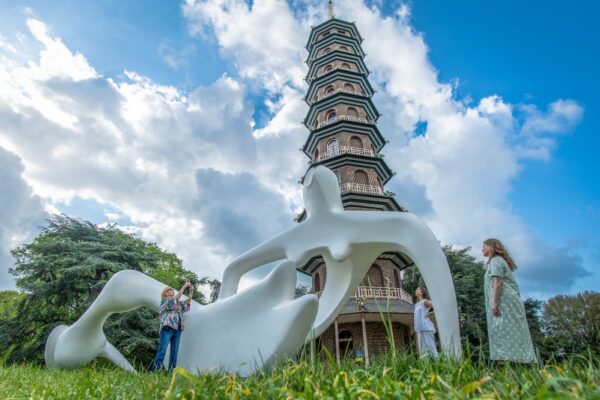
London – Art and nature have long shared a close relationship, but few artists explored that connection as profoundly as Henry Moore. Now, visitors to Kew Gardens have…
di by Riccardo Cacelli, business & geopolitical strategic advisor
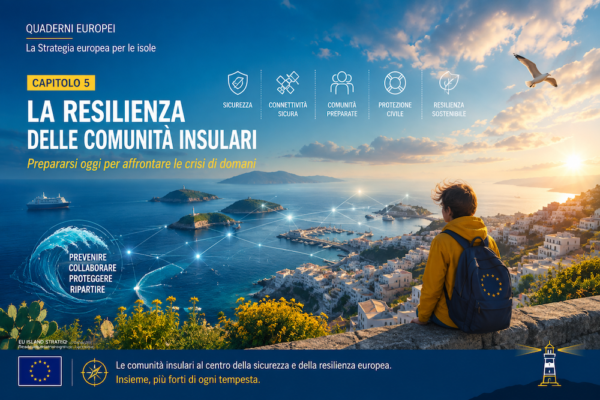
🇪🇺 QUADERNI EUROPEI La Strategia europea per le isole Capitolo 5 📄 Dal documento della Commissione europea «Le isole del territorio dell’UE rivestono un’importanza strategica significativa grazie alla…
di by Riccardo Cacelli, business & geopolitical strategic advisor
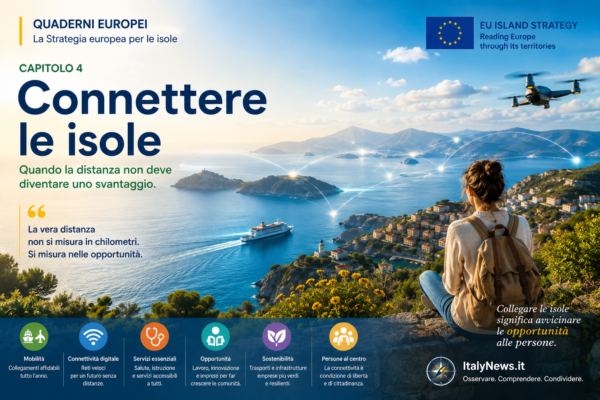
🇪🇺 EU ISLAND STRATEGY | Reading Europe through its territories QUADERNI EUROPEI La Strategia europea per le isole Capitolo 4 ❓Una domanda per iniziare Che cosa significa davvero…
di by Riccardo Cacelli, business & geopolitical strategic advisor
🇪🇺 EU ISLAND STRATEGY | Reading Europe through its territories QUADERNI EUROPEI – La Strategia europea per le isole Capitolo 3 Una domanda per iniziare Che cosa significa,…
di by Riccardo Cacelli, business & geopolitical strategic advisor
“Non esiste vento favorevole per il marinaio che non sa dove andare.” Seneca Ogni giorno il dibattito pubblico si concentra su chi arriva in Italia. È un tema…