

💥 Hook
Hypersonic missiles aren’t sci-fi anymore — some systems have already been used in real conflicts, like in Ukraine.
They travel at extreme speeds, bypass traditional defenses, and drive governments and industries to invest billions in technology, AI, and engineering.
Understanding this today shows where tomorrow’s high-tech jobs will be.
1️⃣ What makes a missile “hypersonic”?
A missile is hypersonic when it exceeds Mach 5
(over 6,000 km/h, more than 5 times the speed of sound).
Key features:
-
🔥 Extreme speed
-
🧭 Maneuverable trajectory (not purely ballistic)
-
🛡️ Hard to intercept with current defense systems
💡 Why it matters: The real challenge isn’t just speed — it’s precision and control at extreme velocity.
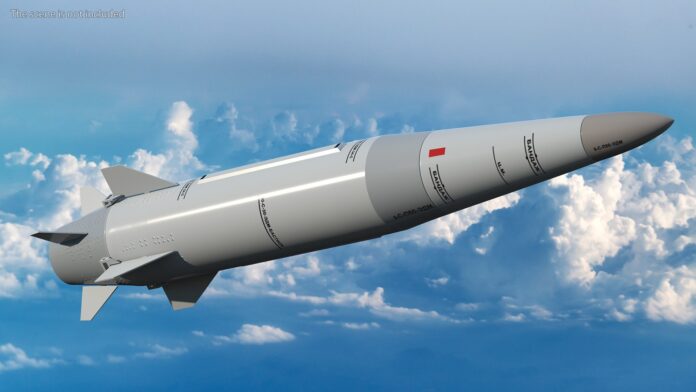
2️⃣ Real-world example: the Kinzhal
The Kh-47M2 Kinzhal, developed by Russia, has been reported in the Ukraine conflict.
Technical highlights (conceptual, public data):
-
🚀 Speed: up to Mach 10
-
📏 Range: ~1,500–2,000 km
-
🧠 Advanced guidance systems
-
🌡️ Extreme heat on the missile body (thousands of °C)
💡 Insight: At these speeds, materials, aerodynamics, and software are as critical as hardware.
3️⃣ Why hypersonic = AI + advanced engineering 🤖
Hypersonic missiles are complex systems:
-
AI for navigation and guidance
-
Advanced simulations for aerodynamics and heat management
-
Innovative materials resistant to extreme stress
-
Cybersecurity to protect guidance systems
💡 For Gen Z: Behind a hypersonic missile are coders, data scientists, and engineers, not just military personnel.
4️⃣ How fast is “really fast”? ⏱️
To visualize hypersonic speed, consider distances and theoretical travel times.
⚠️ Conceptual examples — not operational scenarios.
🌍 Reference distances
-
Kaliningrad → Rome (~1,700 km) ⏱️ 10–15 min
-
Kaliningrad → Berlin (~530 km) ⏱️ 5–7 min
-
Kaliningrad → Paris (~1,400 km) ⏱️ 8–12 min
-
Eastern Europe → London (~1,500 km) ⏱️ 10–14 min
🌎 Intercontinental scale
-
Eastern Russia (Vladivostok) → Japan (~1,000 km) ⏱️ 6–9 min
-
Eastern Siberia → Northern Pacific (~2,500–3,000 km) ⏱️ 15–25 min
-
Asia-Pacific → Western USA ⏱️ tens of minutes
💡 Comparison: Commercial flights take hours, not minutes.
🤯 Why it matters
At these speeds:
-
Human reaction time is minimal
-
Decisions rely on automated systems and AI
-
Software, sensors, and data fusion are central
💡 Message for Gen Z / Alpha: The real battlefield is data, systems, and real-time decision-making, not just weapons.
5️⃣ Who operates these systems? People + software 👩💻🤖
Modern hypersonic systems are managed by specialized teams, not individuals pressing buttons.
Roles include:
-
Operators of command & control systems
-
Supervision of human-machine interfaces
-
Real-time data analysis
-
Algorithm validation and monitoring
Software components:
-
Navigation & guidance algorithms
-
AI for adaptive responses
-
Sensor fusion (radar, satellites, onboard sensors)
-
Cybersecurity and system integrity
-
Digital simulations for complex scenarios
💡 Insight: These are highly sought-after tech roles, increasingly needed by defense ministries worldwide — skills that translate directly to civilian sectors.
6️⃣ Who’s investing — and why
-
🇺🇸 USA
-
🇨🇳 China
-
🇷🇺 Russia
Also: aerospace industries, research centers, universities, and deep-tech startups.
💡 Key point: Global competition drives dual-use tech investment (civil + defense).
7️⃣ Skills that matter for the future
Core competencies:
-
Aerospace engineering
-
Applied physics
-
AI & machine learning
-
Data analysis
-
Cybersecurity
-
Material science
💡 Career insight: These are among the most in-demand and high-paying skills for the next 10–20 years.
🔔 Conclusion
Hypersonic missiles symbolize a new era: extreme speed, advanced technology, and global competition.
For young people, it’s not about war — it’s about understanding innovation and building skills today for tomorrow.
This is the first deep dive of our 2026 series.
Next articles will explore energy, markets, and global career opportunities.
Have questions about the tech? Ask us in the comments!