

A personal account of group dynamics, authority, and bullying.
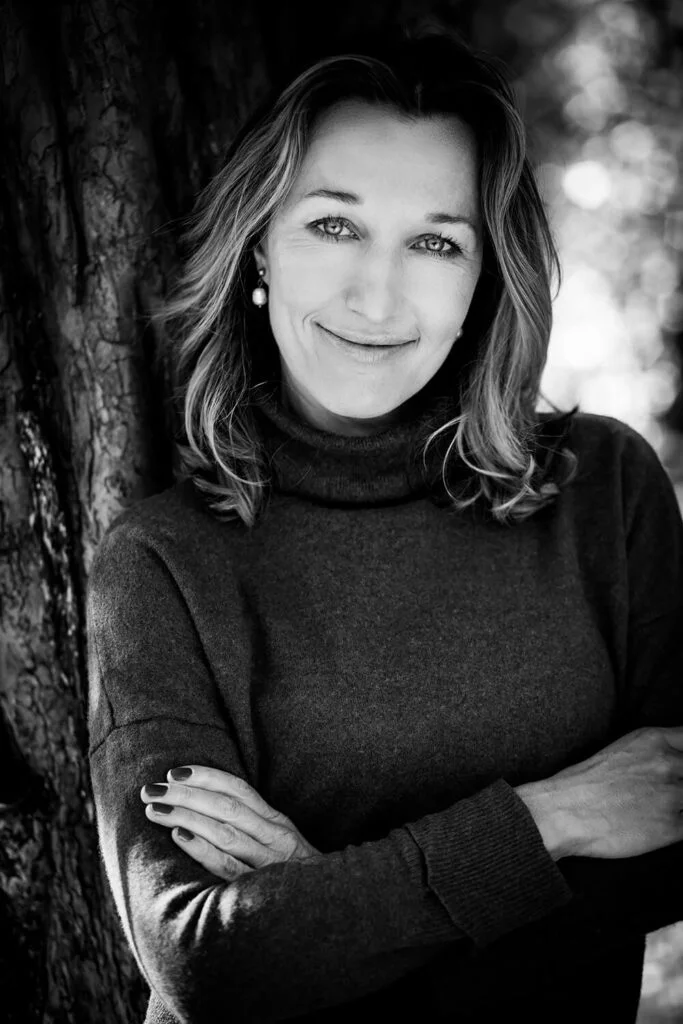
I joined a ski trip organised by a group presented as rooted in holistic psychology and wellbeing. The organiser of the trip was Aneta Grabiec, MA, psychologist, nutritional therapist, Hormonal Wellbeing Expert, Award-winning author who was managing the logistics of the trip.
I joined with trust. When someone presents themselves as a psychologist — and as the organiser of a group experience — there is an implicit promise of care, emotional awareness, and responsible leadership. What I experienced instead was deeply unsettling.
During the organisation of the trip, I became the target of repeated accusations in the group chat. These accusations were not raised privately, nor framed as neutral logistical concerns. I responded only to defend myself and to clarify points that were being publicly directed at me. Despite this, I was told — again, publicly — that I was “sabotaging the trip” and that I needed to stop.
These messages did not come from another participant, but from the organiser herself.
From my perspective, this crossed a line from coordination into bullying behaviour. I experienced her responses as dismissive, disproportionate, and publicly shaming. Rather than de-escalating tension or inviting private dialogue, she took a visible stance against me in front of the group, positioning me as the problem.
What made this particularly troubling was the power imbalance. As the organiser — and as someone presenting herself as a psychologist — her words carried authority. Psychological language, even when subtle, shapes group perception. In this context, it felt as though professional credibility was being used to legitimise exclusion rather than care.
This experience forced me to confront an uncomfortable irony:
the bullying behaviour I experienced came from someone whose professional identity is built around wellbeing, empathy, and psychological insight.
I am not making claims about her intentions, nor am I offering a clinical judgement. I am describing my experience. And my experience was one of being singled out, publicly corrected, and silenced — not because I behaved aggressively, but because I responded to accusations made against me.
This matters beyond my individual story.
Many people are drawn to “holistic”, “self-organised”, or psychology-led groups because they promise something different from traditional hierarchies. Yet when leadership is informal and accountability is unclear, these spaces can become more dangerous, not less — especially when disagreement is reframed as disruption.
In healthy group leadership: conflict is handled privately, not performatively authority is exercised with humility, not moral superiority psychological knowledge is used to protect, not to dominate
She even at some point threatened that whoever was adding another thing in the group she would have removed the person from the trip without refunds which is technically stealing money taken for the service
When these principles are absent, harm can occur — quietly, but deeply.
I am writing this because trust should never be blind. Credentials do not exempt anyone from accountability. And wellbeing spaces must be held to the same — if not higher — ethical standards as any other organised environment.
If you are considering joining a group, retreat, or trip led by someone who claims psychological or therapeutic authority, ask yourself:
How do they handle disagreement?
Do they listen — or label?
Do they protect individuals — or protect the narrative?
My experience taught me that not all spaces that speak the language of care practice it.
The article was published in the public interest, with the aim of informing the public about a situation involving paid participants and a lack of communication, and to encourage transparency and responsible conduct.