


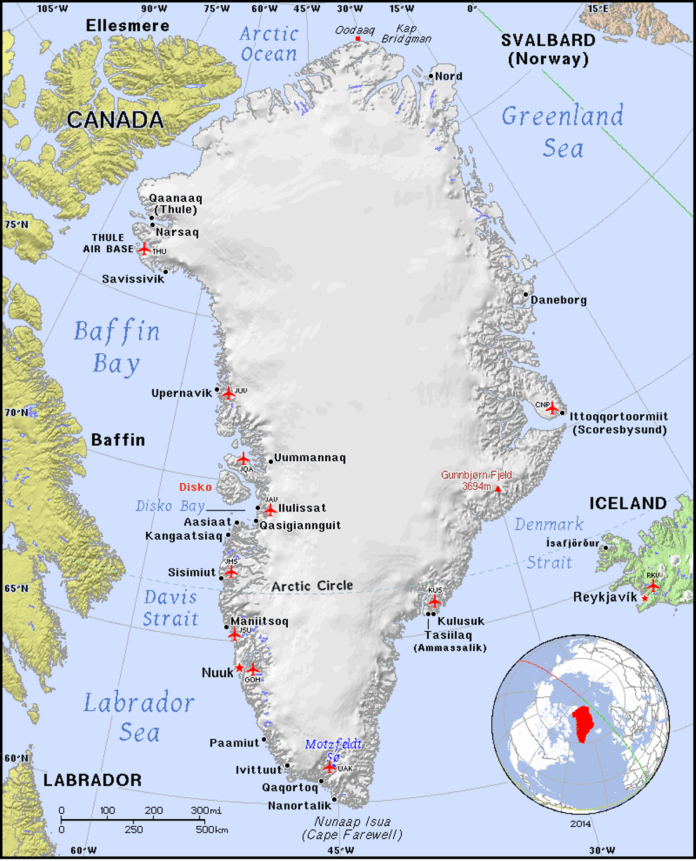
This geopolitical article builds on our earlier analysis “🇺🇸 USA and 🇬🇱 Greenland: the strategic heart of the Arctic ❄️,” published this morning on ItalyNews. Read it here:
https://www.italynews.it/notizia-di-copertina/2026/01/07/%f0%9f%87%ba%f0%9f%87%b8-usa-and-%f0%9f%87%ac%f0%9f%87%b1-greenland-the-strategic-heart-of-the-arctic-%e2%9d%84%ef%b8%8f-121441.html
A brief historical background 🕰️
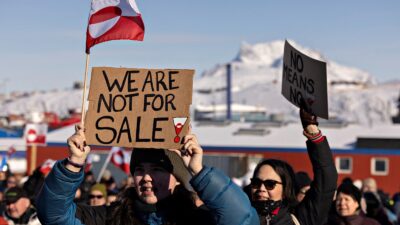
Greenland 🇬🇱 has been inhabited by Inuit peoples for thousands of years, long before the arrival of European settlers 🇩🇰 in the 18th century. Since 1953, it has been an integral part of the Kingdom of Denmark 🇩🇰, while enjoying broad internal autonomy.
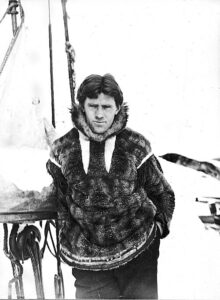
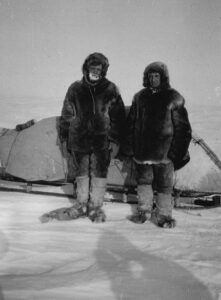
A key episode in the early 20th century was the 1909 Arctic expedition led by Captain Ejnar Mikkelsen and his companion Iver Iversen, launched to reaffirm Danish sovereignty 🇩🇰 over Greenland. This dramatic and heroic journey later inspired the movie “Against the Ice” 🎬, bringing this lesser-known chapter of Arctic history to a global audience.
Throughout the 20th century, Greenland’s position in the Arctic ❄️ attracted growing military and scientific interest. During the Cold War, U.S. military bases 🇺🇸 and research missions turned the island into a strategic bridge between Europe 🇪🇺 and North America 🇺🇸—a role that remains central in today’s geopolitics.
1️⃣ Danish sovereignty 🇩🇰 and the EU’s role 🇪🇺
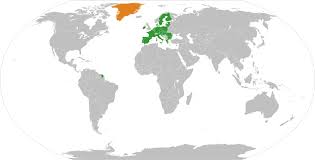
Greenland 🇬🇱 is part of the Kingdom of Denmark 🇩🇰, and this defines the limits of direct EU 🇪🇺 action. However, its geographic position and strategic relevance make the island impossible for Brussels and European governments to ignore.
From infrastructure investments to scientific cooperation and growing U.S. pressure 🇺🇸, Danish sovereignty remains the cornerstone of any European engagement in the Arctic ❄️. For the EU, Greenland represents both a political sensitivity and a strategic opportunity.
2️⃣ European security and strategic relevance 🌐
The Arctic ❄️ has become a key pillar of European security. Greenland enables the monitoring of the North Atlantic and the critical air and sea routes connecting Europe 🇪🇺 and North America 🇺🇸.
Through NATO 🛡️, European countries cooperate with the United States and Nordic partners to ensure deterrence and stability, particularly in response to Russia’s 🇷🇺 ambitions in the region. Greenland’s location strengthens Europe’s strategic posture while respecting Danish sovereignty 🇩🇰.
3️⃣ Natural resources and economic opportunities 💎
Greenland holds significant natural resources, including rare earth minerals, oil and gas. For the EU 🇪🇺, responsible access to these resources is vital—not only for economic reasons but also for environmental sustainability 🌱.
Scientific partnerships and trade agreements with Denmark and Greenland could allow Europe to secure strategic resources while reinforcing its long-term influence in the Arctic ❄️.
4️⃣ Climate change and scientific research 🧪
Greenland is a unique natural laboratory for studying climate change. Melting ice sheets ❄️ and rising sea levels have direct consequences for Europe 🇪🇺.
For this reason, the EU views Greenland as a priority area for joint research projects, environmental monitoring and the development of green technologies 🌱. Investing in science and sustainability also strengthens Europe’s presence in the Arctic—peacefully, yet strategically.
5️⃣ European geopolitics vs U.S. influence 🇺🇸
The expansion of U.S. influence 🇺🇸 in Greenland has not gone unnoticed in Brussels. The EU must strike a delicate balance between cooperation and strategic autonomy: supporting NATO missions 🛡️ while developing its own scientific, economic and infrastructural presence.
Europe’s challenge is clear—protect Danish sovereignty 🇩🇰, maintain relevance in the Arctic, and build an independent strategy that reflects global power dynamics 🌐 and future geopolitical shifts.
Conclusion
For Europe 🇪🇺, Greenland 🇬🇱 is far more than a remote Arctic island. It is a strategic hub where security, natural resources, climate science and global geopolitics 🌐 intersect.
The future of the region will depend on the balance between Danish sovereignty 🇩🇰, American influence 🇺🇸 and Europe’s ability to project strategic vision 🇪🇺. Today, as in the future, Greenland remains a key player for anyone seeking real influence in the Arctic ❄️.

by Riccardo Cacelli
r.cacelli@uam-vertiports.com