

Rome, Italy – In a 48-hour period that underscores the persistent and evolving nature of global terrorism, attacks and counterterrorism operations across four continents have left dozens dead and highlighted the fragmented but interconnected nature of modern extremist violence. From a combined ramming and stabbing attack in the West Bank to an ISIS-affiliated hospital massacre in the Democratic Republic of Congo, the past two days have demonstrated that terrorism remains a potent destabilizing force worldwide.
The string of incidents, occurring between November 17 and 19, 2025, reveals distinct regional security challenges while exposing common threads: vulnerable civilian populations, sophisticated terrorist tactics, and the persistent failure of international coordination to prevent mass-casualty attacks.
On November 18, a terrorist attack at the Gush Etzion junction in the occupied West Bank killed one Israeli and injured three others in what security officials described as a meticulously planned assault. Two Palestinian attackers, identified as Imran al-Atrash from Hebron and Walid Muhammad Khalil Sabarneh from Beit Ummar, rammed their vehicle into a crowd before exiting with knives to continue their attack. Israeli Defense Forces reservists neutralized both attackers at the scene. A subsequent search of their vehicle uncovered multiple explosive devices, which bomb disposal specialists later neutralized. The discovery suggests the attackers had planned a far more devastating assault than they ultimately executed.
Both Palestinian Islamic Jihad and Hamas praised the attack, with PIJ congratulating the attackers and calling for escalated violence against Israelis. Hamas labeled it “a natural response to Israel’s attempts to eliminate the Palestinian cause”, though neither group formally claimed responsibility.
The attack comes amid a concerning surge in West Bank violence. A United Nations report released earlier this month documented at least 264 settler attacks in October alone, the highest monthly total since the UN began tracking such incidents in 2006. The escalating cycle of violence has raised fears of a renewed intifada.
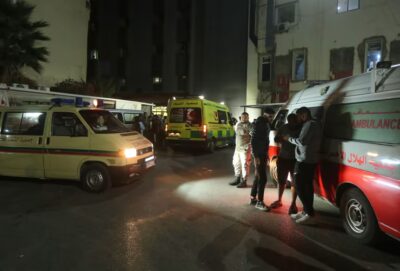
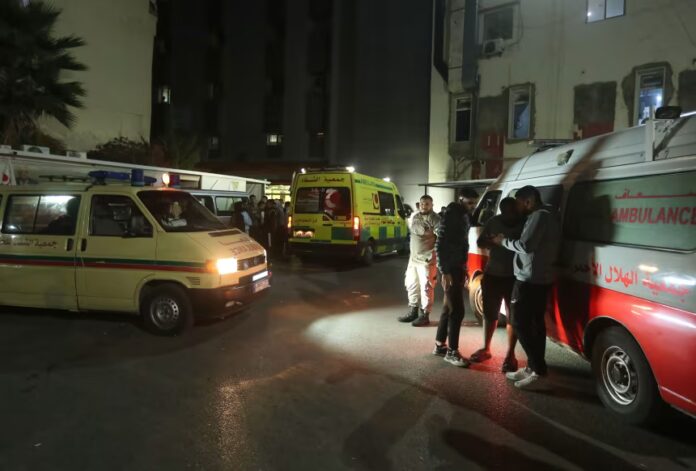
Hours before the West Bank attack, an Israeli airstrike on the Ain al-Hilweh Palestinian refugee camp near the Lebanese coastal city of Sidon killed 13 people and wounded several others, according to Lebanon’s health ministry. The Israeli Defense Forces claimed the strike targeted “a Hamas training compound” used to plan attacks against Israeli forces. Lebanon’s state-run National News Agency reported that a drone first targeted a vehicle near the Khalid bin Al-Walid Mosque before three additional missiles struck both the mosque and a nearby center. Ambulances rushed victims to hospitals as local officials urged residents to donate blood. The IDF maintained it used “precision munitions, aerial observations, and additional intelligence information” to minimize civilian casualties. However, Hamas denied any military presence in Lebanese refugee camps, calling the Israeli claims “pure fabrications and lies” and asserting the targeted site was “an open sports field frequented by the youth of the camp.”
Ain al-Hilweh, Lebanon’s largest Palestinian refugee camp, has been a flashpoint of conflict. The camp was previously struck in October 2024, and the Lebanese government disarmed it following the November 2024 Israel-Hezbollah ceasefire agreement, making this latest attack particularly controversial.
In one of the most horrific attacks of the week, ISIS-affiliated militants from the Allied Democratic Forces stormed a Catholic-run health clinic in Byambwe, North Kivu province, Democratic Republic of Congo, on November 14, executing at least 20 civilians in what witnesses described as an act of extreme brutality.
The Little Sisters of the Presentation, who operate the clinic, provide essential maternal and surgical care in a region with few functioning hospitals. According to eyewitness accounts, ADF rebels massacred 15 patients inside the facility, including women breastfeeding their infants, by slitting throats and decapitating victims before looting medical supplies and setting the building ablaze.
“They slit civilians’ throats, decapitate them – it’s horrific. Here they killed mothers as they were breastfeeding their babies”, Father Giovanni Piumatti, an Italian missionary who served in the Diocese of Butembo-Beni for over 50 years, told Vatican News from Italy. “These massacres are beyond imagination, and they happen almost every week. Many go unreported”.
Five additional victims were killed in surrounding homes as the assailants torched dozens of residences. Several newborns are believed to have been kidnapped, though their whereabouts remain unknown. The maternity ward was engulfed in flames, killing several women who were unable to escape. Father Piumatti condemned the international community’s “shameful silence” on the escalating violence in eastern Congo, warning that global indifference continues to fuel such attacks. The ADF has pledged allegiance to the Islamic State and has been responsible for hundreds of civilian deaths across the region, operating with a level of brutality that has shocked even seasoned observers.
“What is most tragic – beyond the sheer number of innocent victims – is the way they kill”, Father Piumatti emphasized, noting that the group forces young recruits to participate in massacres using machetes after adult fighters strike first.
In a rare piece of positive news, Somali Security Forces conducted coordinated operations across central and southern Somalia on November 17-18, killing at least 11 Al-Shabaab fighters and seizing illegal weapons in what officials described as successful intelligence-based strikes. Ma’awisley community fighters in Harardheere District conducted a planned overnight raid in Dumaaye village, Mudug region, targeting militants hiding in the area. According to Somalia’s Ministry of Defence, six fighters were killed and several weapons recovered, including four AK-47 rifles.
In a separate incident near Dabagalo, approximately 35 kilometers northwest of Harardheere, the Somali National Army disrupted a suicide attack attempt. A third operation along the Garasweyne-Moragabey route, about 37 kilometers west of Huddur in Bakool, resulted in five militant deaths, including several “key commanders”.
The Ministry identified three of the commanders killed as Ibrahim Aliyow Mohamed Mo’alin, Aadan Mohamed Same, and Abdullahi Aadan Dhere. “The Ministry reaffirms its commitment to sustaining offensive operations until the Somali people can live under conditions of lasting peace, stability and security”, the statement concluded.
These operations represent a critical component of Somalia’s ongoing struggle against Al-Shabaab, which has waged a deadly insurgency since 2007 and made significant territorial advances in 2025.